- 12th October 2026
Aircraft Ground Handling Explained:
What Happens Between Landing and Takeoff
When an aircraft lands at an airport, its journey is far from over. Before it can take off again, a carefully coordinated series of ground operations must take place to ensure the aircraft, passengers, crew, and luggage are ready for the next flight.
This process is known as aircraft ground handling. It is a critical part of aviation operations, helping airlines, private jet operators, charter companies, and other aviation service providers maintain safety, efficiency, and punctuality.
Although passengers may only see an aircraft parked at the terminal or on the apron, several teams may be working behind the scenes to prepare it for departure. From passenger assistance and baggage handling to refuelling, aircraft servicing, and flight coordination, every activity contributes to a successful turnaround.
But what exactly happens between landing and takeoff?
1. Aircraft Arrival and Parking
The ground handling process begins before the aircraft reaches its designated parking position. Ground teams coordinate with the relevant airport personnel to ensure that the aircraft can safely enter its assigned stand.
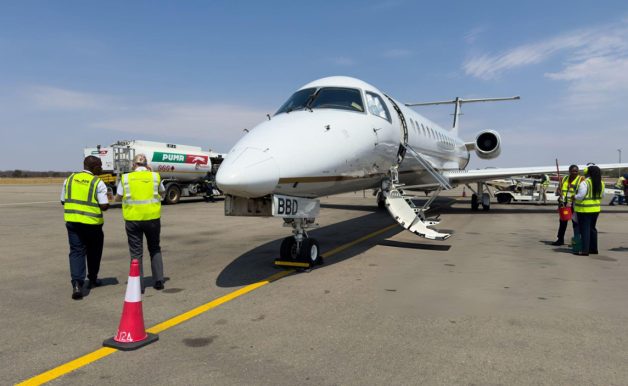
Once the aircraft approaches the parking area, trained ground personnel may guide the pilot using visual marshalling signals or other approved guidance systems. After the aircraft is correctly positioned and its engines are shut down, the ground team follows the required safety procedures.
These may include placing wheel chocks, positioning safety cones, and connecting ground power equipment where required. Personnel also ensure that the area surrounding the aircraft is safe for subsequent operations.
Proper arrival procedures are essential because the aircraft apron is a busy environment where people, vehicles, and equipment operate in close proximity.
2. Passenger Disembarkation and Baggage Handling
Once the aircraft is secured and the appropriate procedures have been completed, passengers can begin disembarking.
Depending on the aircraft and airport facilities, passengers may use an aerobridge or mobile passenger stairs. Ground handling personnel coordinate this process to maintain an orderly flow and minimise unnecessary delays.
At the same time, baggage and cargo operations may begin. Ground crews unload luggage, identify the appropriate transfer or collection points, and ensure that baggage is handled according to the operator’s procedures.
For private and business aviation, passenger handling may involve additional coordination, including discreet transfers, meet-and-assist services, and arrangements for onward ground transportation.
These services help create a smooth arrival experience while allowing other turnaround activities to proceed safely.
3. Aircraft Inspection and Cabin Preparation
After passengers have disembarked, the aircraft may undergo routine inspections and preparation for its next flight.
Ground personnel and authorised technical staff carry out their respective responsibilities in accordance with established procedures. Any technical defect identified must be referred to appropriately qualified maintenance personnel.
Meanwhile, cabin cleaning teams may remove waste, clean passenger areas, replenish approved supplies, and prepare the cabin for incoming passengers.
For business aviation and charter flights, cabin presentation is particularly important because passengers often expect a comfortable, clean, and professionally prepared environment.
These activities must be coordinated with other services to avoid unnecessary interference with maintenance work, baggage operations, or aircraft servicing.
4. Refuelling and Aircraft Servicing
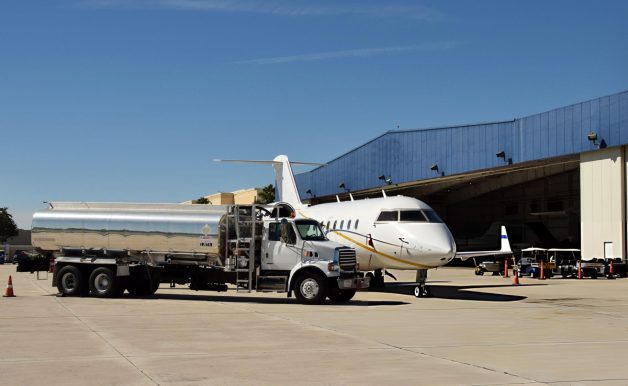
Refuelling is one of the most important activities during an aircraft turnaround. The required fuel quantity is determined by the flight’s operational requirements and the relevant flight planning and safety procedures.
Ground handling teams coordinate fuel delivery with the aircraft operator, flight crew, fuel supplier, and other relevant personnel. Refuelling must be carried out by authorised personnel in accordance with applicable safety requirements.
Depending on the aircraft and the services required, additional activities may include potable water replenishment, lavatory servicing, catering delivery, and the provision of ground power or other ground support equipment.
Not every aircraft requires every service during every stop. The specific requirements depend on the aircraft type, operator, airport facilities, and nature of the flight.
Effective coordination is essential. Delays in one service can affect other activities and potentially extend the aircraft’s time on the ground.
5. Flight Coordination and Ground Support
Aircraft ground handling involves much more than physical servicing. Communication and operational coordination are equally important.
Ground handling coordinators may work with flight crews, airline representatives, airport authorities, fuel suppliers, catering companies, and transport providers to ensure that the required services are arranged and completed.
For international and charter flights, additional arrangements may include flight permit coordination, aircraft clearance support, crew accommodation, transportation, and other logistical requirements.
These activities are especially important in business aviation, where flight schedules and passenger requirements can vary considerably.
A reliable ground handling operation ensures that the different service providers understand their responsibilities, communicate changes promptly, and work towards the same departure schedule.
6. Final Preparations Before Departure
As the departure time approaches, ground teams begin completing their assigned tasks and confirming that the necessary services have been provided.
Depending on the aircraft and operator’s procedures, this stage may involve checking baggage and cargo loading, confirming that ground equipment has been removed, ensuring that access equipment is safely positioned, and verifying that the aircraft’s immediate operating area is clear.
The flight crew and authorised personnel complete their respective checks and confirm readiness in accordance with the applicable procedures.
Passenger boarding is coordinated with the aircraft’s operational requirements. Ground personnel must also ensure that vehicles and equipment are moved away from the aircraft when required.
Only after the relevant operational, safety, and air traffic control requirements have been satisfied can the aircraft proceed towards departure.
7. Pushback, Taxi and Takeoff
For aircraft parked at stands that require pushback, a tug or other approved equipment moves the aircraft away from its parking position under the direction of authorised personnel.
Ground crews follow the applicable communication and safety procedures throughout this operation. Once pushback is complete and the required clearances and checks have been obtained, the aircraft can taxi towards the runway.
At this point, responsibility for the aircraft’s movement transitions through the established procedures involving the flight crew and air traffic control. The aircraft then proceeds with its departure and takes off when authorised.
The ground handling team’s work supports this transition by ensuring that the required ground services have been completed and the aircraft is ready for the next stage of its journey.
Why Efficient Ground Handling Matters
Every minute an aircraft spends on the ground must be managed carefully. However, efficiency should never come at the expense of safety or compliance.
Effective aircraft ground handling offers several important benefits:
Improved operational efficiency: Coordinated activities help reduce avoidable delays and make better use of the available turnaround time.
Enhanced safety: Established procedures, trained personnel, and effective communication help manage risks around aircraft, vehicles, and equipment.
Better passenger experience: Organised passenger assistance, clean cabins, and reliable transport arrangements contribute to a more comfortable journey.
Reliable flight operations: Timely coordination helps operators manage schedules and respond to changing operational requirements.
Stronger operational coordination: Clear communication between ground handlers, flight crews, airport authorities, and service providers reduces the risk of misunderstandings.
As aviation continues to evolve, digital tracking systems, predictive maintenance, automation, and more sustainable ground support equipment are creating additional opportunities to improve turnaround operations.
Nevertheless, technology must complement sound procedures, skilled personnel, and a strong safety culture.
Supporting Every Journey with Reliable Ground Handling
Aircraft ground handling is a complex process that connects one flight to the next. From arrival and passenger disembarkation to aircraft servicing, operational coordination, and departure preparation, every stage requires attention to detail and collaboration.
For airlines, charter operators, and business aviation providers, dependable ground handling is essential to maintaining operational standards and delivering a professional travel experience.
At NBJ VIP Ground Handling Ltd, we understand the importance of safe, reliable, and efficient aviation support. Our services include aircraft landing permit assistance, aircraft clearance and operational flight support arrangements, aircraft charter and brokerage, crew hotel booking and logistics, worldwide aircraft fuelling coordination, and worldwide ground handling services.
Whether supporting a scheduled operation or a business aviation flight, our focus remains on coordinating the services required for smooth and dependable operations.
Safety. Reliability. Excellence. These principles guide our commitment to supporting aviation operations from arrival through departure.
For ground handling and aviation support enquiries, contact NBJ VIP Ground Handling Ltd to discuss your operational requirements.