
- 3rd August 2026
Women Breaking Barriers in Aviation:
How Nigerian Women Are Redefining the Skies and Inspiring the World
For decades, aviation has been regarded as one of the world’s most technically demanding and male-dominated industries. From commercial cockpits and aircraft maintenance hangars to airport operations and executive leadership, men historically occupied the majority of these positions.
Today, however, the story is changing.
Across Nigeria and around the world, women are proving that passion, technical excellence, leadership, and resilience know no gender. Nigerian women are not only flying commercial aircraft but are also leading engineering teams, managing airport operations, influencing aviation policy, and representing Africa on the global stage.
Their achievements are changing perceptions, inspiring younger generations, and strengthening the aviation industry through greater diversity and inclusion.
At NBJ VIP, we believe aviation thrives when talent is allowed to soar, regardless of gender.
A New Era for Women in Nigerian Aviation
Nigeria’s aviation sector has experienced significant transformation over the past few decades. While women once represented only a small fraction of aviation professionals, they are now increasingly visible in roles that were traditionally considered “men’s jobs.”
Today, women serve as:
- Commercial airline pilots
- Aircraft captains
- Flight dispatchers
- Aircraft engineers
- Air traffic controllers
- Aviation safety inspectors
- Airport managers
- Airline executives
- Aviation regulators
- Ground handling professionals
- Flight operations managers
This evolution reflects more than changing workforce demographics; it represents a shift in mindset. The industry is gradually embracing competence, professionalism, and performance above outdated stereotypes.
Breaking the “Only Men Can Fly” Myth
Flying a commercial aircraft demands exceptional technical knowledge, precision, situational awareness, and calm decision-making under pressure. For years, many believed these qualities were best suited to men.
Nigerian women have consistently disproved that assumption.
Every successful female pilot demonstrates that aviation excellence is earned through rigorous training, discipline, and experience, not gender.
Their success has helped dismantle long-standing misconceptions and encouraged more young girls to see aviation as a realistic and rewarding career.
The Pioneer Who Opened the Cockpit Door: Captain Chinyere Kalu
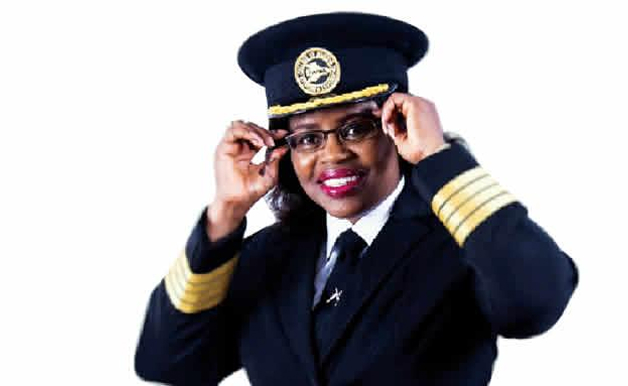
Every movement begins with a trailblazer.
In Nigeria, that pioneer was Captain Chinyere Kalu, who became the country’s first female commercial pilot in the late 1970s.
At a time when female pilots were almost unheard of across Africa, Captain Kalu challenged societal expectations and proved that Nigerian women belonged in the cockpit.
Her historic achievement paved the way for generations of female aviators who followed.
Today, nearly every successful Nigerian female pilot stands on the foundation she helped build.
Captain Adeola Ogunmola Sowemimo: Taking Nigerian Excellence to Qatar Airways
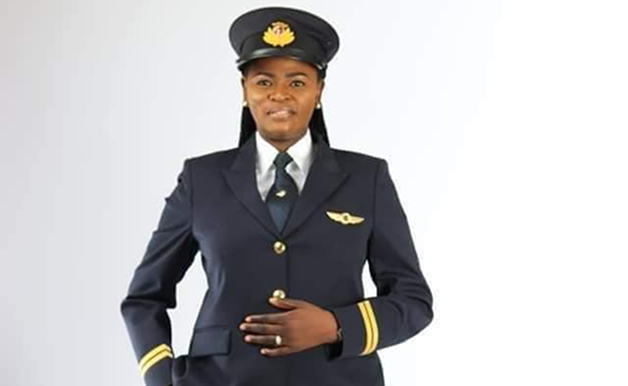
One of the most inspiring examples of Nigerian excellence in global aviation is Captain Adeola Ogunmola Sowemimo.
Her journey is remarkable not only because of her personal achievements, but because of what they represent for women in African aviation.
Among her milestones:
- First Nigerian female pilot employed by Qatar Airways.
- First Nigerian female pilot to fly the Boeing 787 Dreamliner.
- One of the first African women to command one of the world’s most technologically advanced long-haul aircraft.
- Previously flew the Boeing 737 and Boeing 767 before progressing to the Dreamliner.
- Her achievements have made her an inspiration to aspiring pilots across Africa.
Captain Sowemimo’s success demonstrates that Nigerian aviation professionals can compete at the highest international level.
Her story also highlights an important reality: when Nigerian women are given access to quality training and opportunities, they excel on the global stage.
More Nigerian Women Are Entering Technical Aviation Roles
The aviation industry extends far beyond flying aircraft.
Modern aviation depends on thousands of highly skilled professionals working behind the scenes to ensure every flight is safe, efficient, and successful.
Increasingly, Nigerian women are building careers as:
- Licensed aircraft maintenance engineers
- Flight dispatch specialists
- Aviation safety officers
- Airport operations managers
- Air traffic controllers
- Flight instructors
- Cabin safety trainers
- Airline executives
These roles require advanced technical expertise and operational decision-making, showing that aviation excellence is defined by competence and dedication, not gender.
Challenges That Still Need to Be Addressed
Despite encouraging progress, barriers remain.
Many aspiring female aviators continue to face:
- High flight training costs
- Limited access to scholarships
- Gender stereotypes
- Underrepresentation in senior leadership
- Limited mentorship opportunities
- Cultural expectations discouraging technical careers
Commercial pilot training can require a substantial financial investment, making aviation inaccessible for many talented young Nigerians without sponsorship or financial support.
Addressing these challenges will require collaboration among government agencies, airlines, aviation training institutions, private organizations, and industry stakeholders.
Why Visibility Matters
Representation has a powerful ripple effect.
When young girls see Nigerian women flying international routes, managing airport operations, engineering aircraft, or leading aviation organisations, they begin to believe these careers are possible for them, too.
Every successful female aviation professional becomes a mentor, whether formally or simply by being visible.
Success inspires ambition.
Ambition creates opportunity.
Opportunity transforms industries.
The Role of Mentorship
Mentorship has become one of the most effective tools for increasing female participation in aviation.
Experienced professionals help young aviators by:
- Sharing career advice
- Providing technical guidance
- Building confidence
- Creating networking opportunities
- Encouraging leadership development
Organizations dedicated to supporting women in aviation continue to play an important role in developing the next generation of pilots, engineers, and aviation leaders.
What the Future Holds for Nigerian Women in Aviation
The future is promising.
With greater investment in aviation education, scholarships, STEM initiatives, leadership development, and inclusive hiring, Nigeria has the opportunity to become one of Africa’s leading producers of female aviation professionals.
The next generation will likely see more Nigerian women serving as:
- Airline CEOs
- Chief pilots
- Airport directors
- Aviation regulators
- Aircraft engineers
- Flight instructors
- Aerospace innovators
- International airline captains
Their contributions will not only strengthen Nigeria’s aviation sector but also enhance Africa’s influence in global aviation.
Our Final Thoughts
The story of women in Nigerian aviation is no longer about entering an industry, it is about transforming it.
From Captain Chinyere Kalu opening the cockpit door decades ago to Captain Adeola Ogunmola Sowemimo making history with Qatar Airways, Nigerian women have shown that excellence has no gender.
They are flying larger aircraft, leading technical teams, shaping aviation policy, mentoring future professionals, and inspiring a new generation to pursue careers once thought beyond their reach.
At NBJ VIP, we celebrate these pioneers and believe the future of aviation will be stronger, safer, and more innovative because talented women continue to break barriers and redefine what is possible.
As the aviation industry evolves, one thing is clear: the skies are no longer defined by tradition; they are defined by talent, determination, and opportunity.